
TIFF Books on Film | TIFF connects booklovers with brilliant cinema!

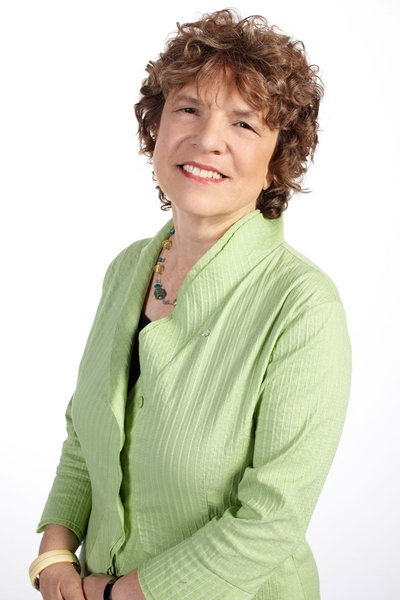
Host Eleanor Wachtel. Photo courtesy of CBC.

Host Eleanor Wachtel. Photo courtesy of CBC.

Heads up book lovers and film buffs! The Toronto International Film Festival is launching a new Books on Film series tonight, February 11. Hosted by Eleanor Wachtel of CBC’s Writers and Company, this monthly event at TIFF Bell Lightbox features filmmakers and authors in an in-depth discussion about the art of adaptation.

Can a film ever live up to the book? No easy feat, and some booklovers would say it’s impossible. Personally, there are some Poirot adaptations I’ve enjoyed more than the book, thanks to the brilliance of David Suchet. Same with the Dexter Morgan series and, quite possibly, 2011’s Tinker Tailor Soldier Spy.

TIFF Books on Film 2013 Schedule:

*All films are on Monday evenings at 7 pm.

February 11— Hilton Als (author and New Yorker theatre critic) on The Innocents

March 4 — Richard Russo (Pulitzer Prize–winning author) on Nobody’s Fool

April 8 — Lisa Cortés (music and film producer, driving force behind success of Def Jam Records) on Precious

May 6 — Christopher Hampton (award-winning screenwriter and playwright) on Atonement (which he adapted to screen)

June 3 — Ted Kotcheff (filmmaker and executive producer of Law & Order: Special Victims Unit) on The Apprenticeship of Duddy Kravitz

June 24 — Deepa Mehta (Canadian filmmaker) on Midnight’s Children

Which ones am I excited about?
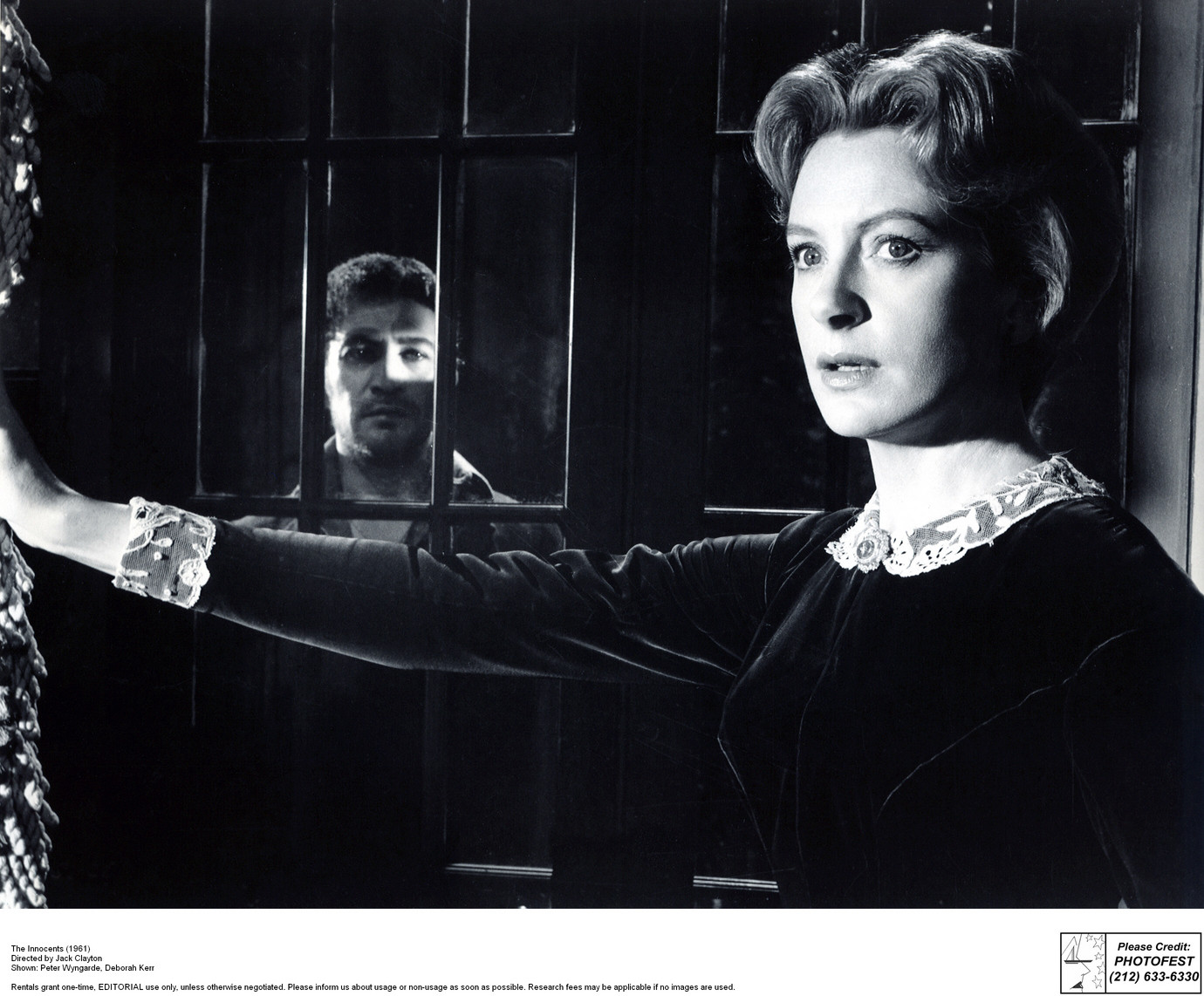
Film still from The Innocents. Photo courtesy of Photofest.

Film still from The Innocents. Photo credit: Photofest

The Innocents is based on one of my favourite horror stories ever — Henry James’ The Turn of the Screw. And to have the opportunity to listen to a critic from The New Yorker discuss it — amazing opportunity! Tonight!

Film still from The Apprenticeship of Duddy Kravitz. Photo courtesy of TIFF Film Reference Library

Film still from The Apprenticeship of Duddy Kravitz. Photo credit: TIFF Film Reference Library

I love Mordecai Richler, and I remember viewing a clip from Joshua Then and Now in a university Can Lit class. Duddy Kravitz is a classic.

Film still from Atonement. Photo credit: TIFF Film Reference Library

Film still from Atonement. Photo credit: TIFF Film Reference Library

I remember reading this book and feeling absolutely cheated by the ending. Still, I’ve heard good things about the movie, and am definitely interested in seeing it on the big screen.

How to subscribe:

Subscriptions to the series are available for $153 for TIFF Members or $180 for non-members (prices include tax). Based on availability, single tickets may be released closer to the event. Subscriptions are on-sale at tiff.net/subscriptionseries.

Additional bonus for book lovers: The first 100 subscribers will receive a complimentary copy of each book featured, courtesy of Random House Canada.

First film is tonight – The Innocents, based on Henry James’ Turn of the Screw.

Review | People Park, Pasha Malla

9780887842160To celebrate the Silver Jubilee of People Park, the residents hire the illustrationist (as opposed to illusionist) Raven to perform. Unfortunately, Raven’s illustrations turn out to be all too real, and the consequences are much more permanent than the residents predicted.

Pasha Malla’s People Park is a very difficult book to get into, and in fact, I almost gave up halfway through. Malla’s book is ambitious, with a dozen or so narrative threads that never really come together. The various character stories do share the common event of Raven’s illustration — the build up, the actual event, and the fall out — but apart from setting, they seem disjointed. There is a two column character list at the beginning of the book, almost enough characters to populate War and Peace, except none of Malla’s characters are distinct enough to make me care.

To be fair, the story doesn’t seem to be about individual characters, but rather people in so far as they comprise People Park. We see a jumble of characters, arrogantly complacent and eager for Raven’s performance, then turn to panic when the rug is pulled from under them. There is social commentary here, particularly in a scene where Raven quite literally cuts the Mayor down to size and the residents applaud dumbly. The inefficacy of People Park’s political system and law enforcement agency is masterfully portrayed with biting humour. Malla is at his strongest in the political scenes, where we see how much more horrible things are going to get, with the residents absolutely unaware. While Malla resists allegory, there are certainly parallels to the real world, and Malla’s portrayal is harsh, but the harshness feels necessary.

Unfortunately, it’s all just too chaotic. There are too many things being juggled and rather than keep his readers grounded with a single focal point, Malla appears to fling these elements about wildly for his readers to rush around to pick up. The lack of quotation marks definitely didn’t help, particularly when the characters all sound alike. This may be deliberate, a reflection of the chaos already in People Park, whether or not the residents are aware of it. I just found it frustrating. Even when I was able to identify characters, I realized I didn’t really care what happened to them, because they all seemed little more than cogs being moved every which way by Raven’s illustrations. Again, this may be deliberate, but again, it just left me frustrated.

I did almost give it up halfway through, but I’m glad I stuck it out because the second half is better. Or perhaps I was just happy that the residents of People Park finally realize Raven is sinister rather than mere entertainment. To be fair, this may also be a case of myself just not being the right reader for this book. Matthew J. Trafford, for example, in the National Post, found it impressive. Definitely not for me, though.

+

Thank you to House of Anansi for an advance reading copy of this book in exchange for an honest review.

Review | The Maladjusted, Derek Hayes

I12859621n the title story, a man is so terrified of leaving his apartment that he lowers a basket with cash from his fourth floor fire escape landing to pay the pizza delivery guy. “I have a mental illness,” he explains whenever people give him strange looks.

Such characters form the stories in Derek Hayes’ compelling collection The Maladjusted. These individuals go beyond awkwardness — some are painfully shy, others deeply insecure — and many seem acutely aware of the confidence with which others approach the world.

In the book blurb, Martin Amis calls Hayes “a talented new writer from Canada worth keeping an eye on,” and it’s easy to see why. Hayes’ stories are snappy and engaging, yet full of compassion. One of the first rules taught in writing classes is to show, not tell, and Hayes’ stories prove why this rule works. His prose is straightforward, yet restrained. His stories give the impression of presenting everything the narrator sees and thinks, while still holding back on so much more going on.

In “That’s Very Observant of You,” probably my favourite story, a woman regularly orders takeout Chinese from a restaurant with an attractive waiter.

“No, I’m not eating here. I always get takeout.” She smiled nervously and said, “My friend is waiting for me outside.” [p. 39]

Except she goes straight home, and when invited by a neighbour to a party, pretends she has evening plans with her sister. Truth is, she eats the meal while watching a video, the volume turned down low so her neighbours don’t realize the truth. “Her fingers rubbed grease into the folds of her flabby belly and legs” and she wishes her sister, the “only person in the world who loved her” was with her [p. 41].

In the hands of a lesser writer, this woman could have been a pathetic, maudlin mess. In the hands of a different type of writer, the story could have been a caustic take on the social pressure to conform, or perhaps on this odd woman who refuses to admit she’s alone. Instead, with Hayes, we get a figure so real, we can almost picture her in front of her TV. We get a character depicted with such vivid detail that she inspires compassion while having too much dignity to deserve pity.

The smallest detail means a lot, and the smallest shift in character behaviour implies so much more. The characters are on the fringes of society, or otherwise so screwed up that they’re unlikable, and yet Hayes manages to make them all feel real, and in making us feel something for them. I absolutely loved this short story collection, quick reads suited for the subway, with characters that will resonate long after you’ve arrived home.

+

Thank you to the author for a copy of this book in exchange for an honest review.