
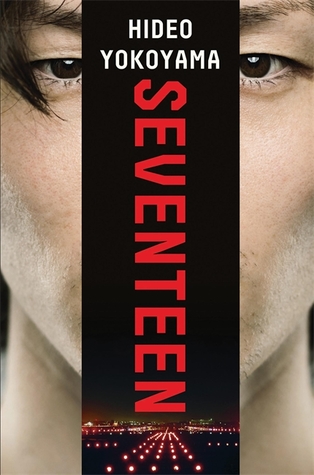
 In 1985, Kazumasa Yuuki, a reporter at the North Kanto Times, is assigned to be desk chief on the newspaper’s coverage of the largest air disaster in history, a Japan Air Lines crash on a mountain that killed 520 people. He’s a reluctant leader, still wracked with guilt over an incident with a co-worker a few years ago, but he also feels deeply for the passengers lost in the crash and the loved ones they left behind, and he recognizes his newspaper’s duty to tell the story right, and give them the closure they need.
Because of this work, he had to cancel a trip to climb a mountain with his best friend Kyoichiro Anzai. He later learned that Anzai collapsed that evening before making it up to the mountain himself, and that he lay in the hospital in a vegetative state. In 2002, Yuuki stands before the mountain he and Anzai were supposed to climb seventeen years ago. This time, he’s with Anzai’s son, Rintaro, and he’s determined to make the climb.
I really enjoyed Seventeen. It’s a compelling dive into the power struggles and office politics at a Japanese newspaper, where hierarchy is much more rigidly structured than in American newspapers. I was sucked right into Yuuki’s world as he fought to stay afloat and advocate for his stories amidst this environment. I loved that despite his reluctance to lead, Yuuki was forced to find his voice and fight for what he believes is right, and I thought the other characters in his workplace were just as vividly drawn. I loved seeing how the politics in the office are affected by the politics in the country, as the editors and board members have secretly aligned themselves with powerful politicians in opposition to each other, and this alliance impacts how they want the newspaper to cover particular incidents. For example, one really well-written story is killed because it presented a particular group in a favourable light, which would have offended one of the politicians.
I also love the tension between the old guard reporters and the new generation, all of whom are hungry to make their mark in the industry. The older reporters, including Yuuki, have long feasted on the acclaim of their reputation for having been involved in a major serial killer story a few years back, whereas the younger reporters are excited at the potential to get their own big break with the stories about the plane crash. In one particularly jarring scene, a pair of younger reporters risk their lives to deliver a scoop, only to have one of the editors refuse to extend the deadline for their story to make the morning papers. Yuuki wonders why he wasn’t warned that the deadline couldn’t be extended, so that he could give the reporters a more realistic timeline, but then realizes it’s because the editor doesn’t want to give up the glory of his own major scoop years back to the younger reporters. It’s petty and mean, but also all too realistic, and poor Yuuki is caught in the middle having to break the bad news to his reporters.
Amidst the office politics, Yokoyama also does a great job of depicting the humanity within the tragedy. I felt for the reporters who were first at the crash site, and the trauma they had to deal with because of the experience. There are some gruesome details of what they saw in the book, and it’s such a sharp contrast with the more touristy approach of media outlets at the site later on, once most of the bodies have been cleared away. Later in the book, a reporter who saw the site on the first day reacts violently when he sees another reporter take a selfie at the plane’s tail and then try to take a piece of debris from the site as a souvenir.
Family and friendship are also major themes. Yuuki bonds with Anzai’s son to deal with the emotional distance with his own son, and Rintaro Anzai finds in Yuuki a father figure to help him deal with his father’s situation. All of this was woven in closely with the workplace drama, and particularly as Anzai worked in the newspaper’s circulation department and therefore was also dealing with the politics of the workplace.
Seventeen is a compelling workplace drama. I love how vividly Yokoyama tells his story, and the glimpses he gives into office politics in a small Japanese newspaper.
+
Thank you to Hachette Book Group for a copy of this book in exchange for an honest review.
 Laura has a successful career and a solid, if not particularly strong, marriage, but the best thing in her life is the close relationship she has with her son Daniel, now twenty-three years old and studying to be a doctor. When he falls in love with Cherry, a real estate agent from the wrong side of the tracks, Laura thinks that Cherry is only after Daniel’s money. Worse, Laura worries that Cherry will take Daniel away from her. On the other hand, Cherry is determined to rise to a higher social strata, but soon finds herself developing genuine feelings for Daniel, and beginning to resent his mother’s constant presence in their lives.
 I hesitate to use the word “authentic” to describe any book, but that’s precisely how Catherine Hernandez’s
