
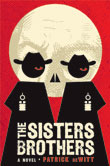
 Quick confession: I’m not a fan of Westerns. So when I say it took me a while to get into Patrick DeWitt’s Sisters Brothers, I think it says a lot more about my personal preference than about the book itself. Wells Tower calls this novel “a masterful, hilarious picaresque,” and it certainly is. Eli and Charlie Sisters have been hired to kill Hermann Kermit Warm, and they travel from Oregon to California to track him down. Along the way, they meet various colourful characters, most of whom freak when they realize they’re meeting the Sisters Brothers, who have quite a reputation for brutal, efficient killing. The journey is filled with gun fights, business negotiations and a quest for gold. Eli, however, is seriously considering quitting the killing gig. While Charlie happily shoots people they meet and looks forward to killing Warm, Eli delights at discovering the benefits of dental hygiene, falls for women with kind eyes, and scouts locations where he and Charlie and settle down and become shopkeepers.
I didn’t really enjoy Part One. I loved the dentist, and laughed at a couple of spots, but mostly it felt too episodic, like TV’s villain-of-the-week turned into character-of-the-chapter. Honestly, again, I think this is because I haven’t really read a Western before; I can imagine fans of Westerns being absolutely delighted. As it was, I have to admit, I kept imagining one of my English professors commenting “This is the classic Shakespearean Fool, who appears senile but speaks the truth,” or “Tub is clearly Eli’s horsey alter ego.” Yes, I am a nerd. Publishers Weekly calls Sisters Brothers “genre-bending,” but despite the heroes being bad guys, I thought it didn’t bend the genre enough to appeal to non-genre fans.
That was Part One, and I’m glad I kept reading. Part Two, where the Sisters Brothers have somewhat settled in California and have come closer to finding Warm, delved much deeper into Eli and Charlie’s characters and their relationship, and I was drawn in. I remember Jeff Lindsay saying that the reason Dexter Morgan is so lovable, despite his psychopathic tendencies, is his sense of humour. Eli’s narration is humorous: “Just your everyday grouping of civilized gentleman, sitting in a round robin to discuss the events of the day with quivering erections.” But what ultimately makes Eli and Charlie lovable is their utter devotion to each other, which becomes progressively more palpable as the book goes on. I found myself cheering out loud when Eli and Charlie use a devious, underhanded trick to win against a group of gunmen, not because it was such a clever trick, but because it showed the brothers perfectly in sync.
There is something endearing about a bad guy who wants to be good, and it’s disturbingly humorous when that bad guy ends up doing bad things anyway and having to justify them to himself afterwards. It’s also quite sad. Eli Sisters is like a gun-toting, lumbering Michael Corleone — whenever he thinks he can escape his life, his devotion to his brother draws him back in. Charlie, while delighted enough to kill anyone else, is also fiercely devoted to his brother, a fact that gets called into question early in the novel yet becomes absolutely certain later on.
I can imagine Sisters Brothers becoming a cult classic. Even in Part One, I could see it becoming an award-winning, blockbuster Coen brothers film. I love Dan Stiles’ cover design for the book; I can totally imagine it on a movie poster, can’t you?
Love Westerns? I think you’ll love this book. Not much of a fan of Westerns? I think the wonderful relationship between Eli and Charlie will hook you, as it did me. I’ve decided to donate my copy to a very good cause. Fellow book blogger and Twitter buddy Colleen is organizing an auction to raise funds for Slave Lake, which was basically destroyed last week. She’s already gotten lots of wonderful bookish donations, and Patrick DeWitt’s Sisters Brothers will be up for bids as well. Great cause, great books… bid on Eli and Charlie’s story here. You can also see a list of all auction items here, or check out the general auction website at http://slavelakebookauction.wordpress.com/.
Book trailer from U.S. publisher Ecco Books:


 Literary Treats